The Role of Device Interfaces in Adapting Traditional Wheel Protocols for Interactive Sessions
Written by Freya Hartmann · Aug 19, 2026
The Role of Device Interfaces in Adapting Traditional Wheel Protocols for Interactive Sessions
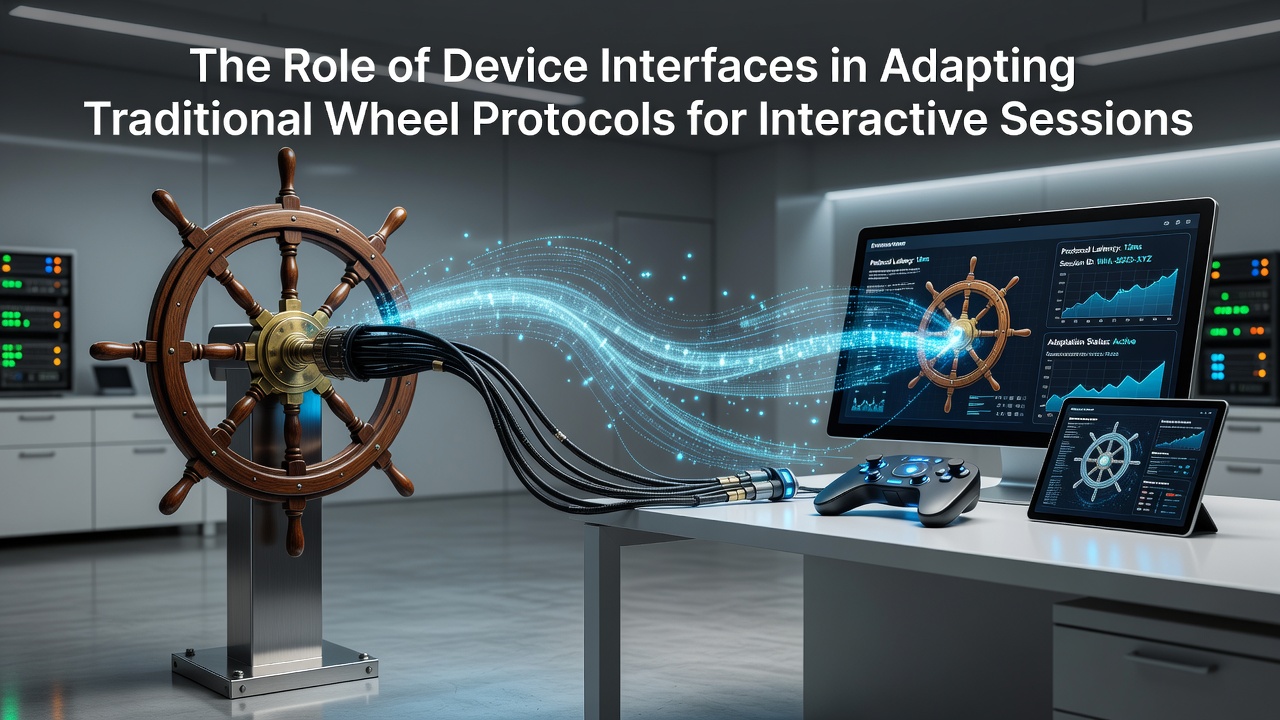
Traditional wheel protocols originated in mechanical systems where physical rotation and friction determined outcomes, yet device interfaces now translate these mechanics into digital formats that support real-time user engagement across multiple platforms. Engineers have mapped sensor data from spinning wheels to software protocols that maintain sequence integrity while allowing inputs from touchscreens, motion controls, and network streams. This adaptation preserves core variables such as velocity decay and angular momentum through algorithmic models that replicate physical behavior on screens of varying sizes.
Core Components of Wheel Protocol Translation
Device interfaces convert analog signals from physical wheels into standardized data packets that interactive applications can process without loss of randomness or timing accuracy. Researchers at the University of Waterloo have documented how application programming interfaces handle latency compensation when users interact with virtual wheels on mobile devices, ensuring that gesture inputs align with simulated physics engines. Hardware abstraction layers further isolate platform-specific details so that the same protocol stack functions on desktop browsers, tablets, and embedded casino terminals.
Key translation steps include calibration of rotation sensors, normalization of input scales, and synchronization with random number generators that mimic traditional stopping points. Observers note that these steps rely on continuous feedback loops where device orientation data updates the wheel state several hundred times per second. Such loops prevent desynchronization that could otherwise occur during rapid user swipes or tilts.
Interactive Session Dynamics Across Platforms
Interactive sessions demand that wheel protocols respond instantly to multi-touch gestures, voice commands, and even eye-tracking inputs available on newer hardware. Data from the Nevada Gaming Control Board shows that interface standardization has reduced session drop-off rates in regulated environments by aligning physical wheel simulation parameters with user expectations on different screen densities. Sessions often begin with a device handshake that negotiates protocol version and display capabilities before the wheel becomes active.
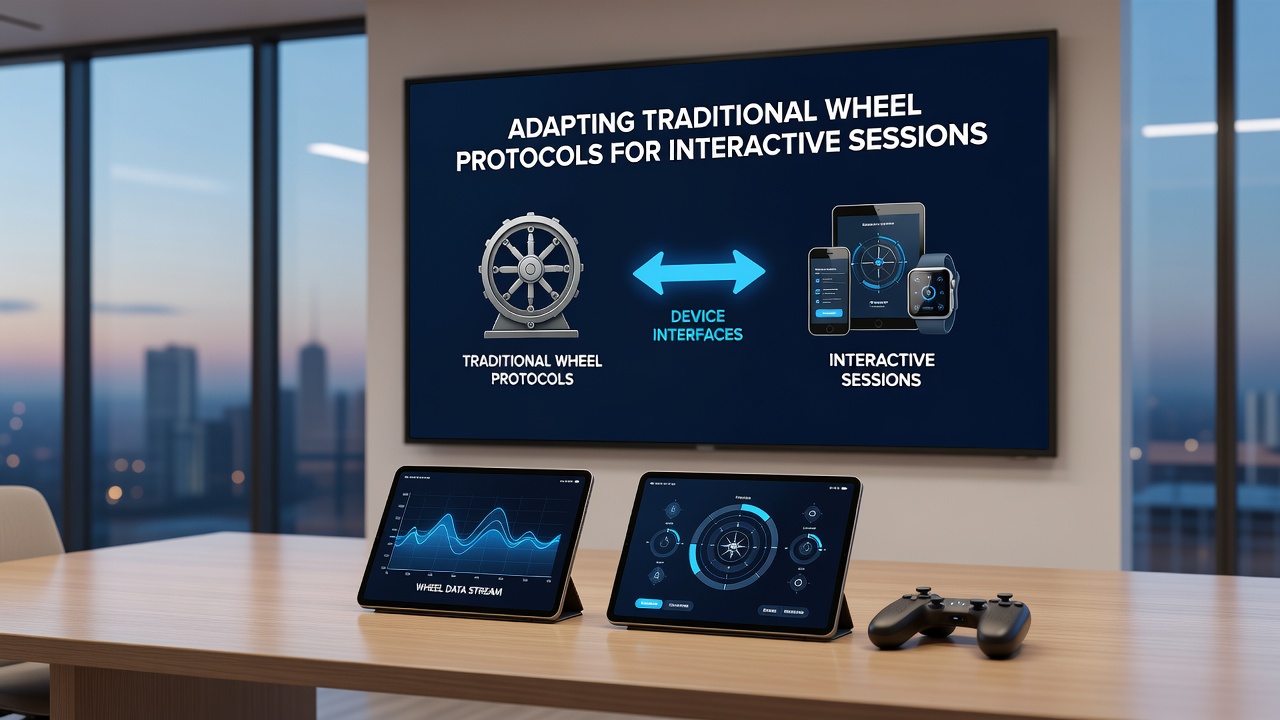
Once connected, the interface manages state transitions between idle, spinning, and result display phases while maintaining audit trails required by oversight bodies. In regions such as Australia, regulatory frameworks emphasize that all interface layers must log every protocol command so that reconstruction of any session remains possible months later. This requirement has driven adoption of lightweight logging formats that do not increase latency on consumer-grade networks.
Standards Development and August 2026 Milestones
Industry groups have scheduled a coordinated update to wheel-protocol specifications for August 2026 that incorporates enhanced encryption for device-to-server communication and refined physics parameters derived from high-speed camera studies of actual wheels. The changes address emerging hardware such as foldable screens and augmented-reality overlays that alter how users perceive wheel rotation. Implementation timelines published by equipment manufacturers indicate that certified interfaces will need revalidation before the deadline to remain compliant.
Testing protocols for the upcoming standards involve side-by-side comparison of physical and digital outcomes across thousands of spins, with statistical thresholds set by independent laboratories. Those laboratories report that deviations beyond predefined confidence intervals trigger protocol recalibration before deployment. Such rigorous checks ensure continuity between legacy mechanical systems and their digital counterparts used in interactive environments.
Security and Data Integrity Measures
Device interfaces incorporate checksum verification at each protocol layer to detect tampering with wheel state data during transmission. Cryptographic signing of session logs prevents retroactive alteration, a practice now embedded in technical requirements across North American and European jurisdictions. Network monitoring tools scan for anomalous packet patterns that might indicate attempts to manipulate rotation parameters mid-session.
Access control lists restrict which applications can invoke wheel protocol functions, limiting exposure on shared devices. Updates to these controls occur through signed firmware packages that devices verify before installation. This layered approach reduces the attack surface while preserving the low-latency performance necessary for fluid interactive sessions.
Conclusion
Device interfaces have become the essential bridge that allows traditional wheel protocols to operate reliably within interactive digital sessions, translating mechanical principles into software commands that function across diverse hardware. Continued refinement of these interfaces, particularly ahead of the August 2026 standards update, will determine how closely future systems replicate the tactile and probabilistic qualities of their physical predecessors while meeting expanding regulatory and security demands.